
Every day, we use plastic bottles, batteries, electronic gadgets, and many other products. But have you ever wondered what happens when these products become waste? If they are not recycled properly, they can harm our environment, pollute water, and damage wildlife.
To solve this problem, the Government of India introduced EPR Compliance. It helps businesses take responsibility for the waste created by the products they sell. Today, EPR is not just a legal rule—it is also a smart business practice.
What is EPR Compliance?
EPR Compliance stands for Extended Producer Responsibility Compliance. It means that companies that manufacture, import, or sell products such as plastic packaging, batteries, electronics, tyres, or used oil must ensure that these products are collected and recycled after use.
Instead of leaving waste management to the government alone, businesses also share the responsibility. This creates a cleaner and healthier environment for everyone.
Why is EPR Important?
Imagine if nobody collected plastic bottles or old batteries. Streets, rivers, and forests would quickly fill with waste.
EPR helps by:
Reducing pollution
Increasing recycling
Saving natural resources
Keeping cities cleaner
Supporting a circular economy where materials are reused instead of thrown away
When businesses follow EPR rules, they help build a greener future.
Who Needs EPR Compliance?
Many businesses in India need EPR, including:
Manufacturers
Importers
Brand owners
Plastic packaging companies
Battery manufacturers and importers
Electronic product companies
Waste recyclers
If your business deals with products covered under EPR rules, following the regulations is very important.
What is EPR Certification?
Many businesses also need EPR Certification or EPR registration from the concerned authority before starting or continuing their operations.
An EPR Certification shows that a business is following government guidelines for waste management and recycling. It also builds trust among customers, business partners, and regulators.
Having proper certification can help companies avoid legal issues and continue business without unnecessary delays.
Understanding Post Compliance for Plastic Waste Management
Getting approval is only the first step.
Businesses must also complete post compliance for plastic waste management. This means they must regularly submit reports, maintain recycling records, and meet their annual recycling targets.
Post compliance helps authorities verify that companies are actually recycling plastic waste instead of only completing paperwork.
Businesses that maintain proper records usually find compliance much easier every year.
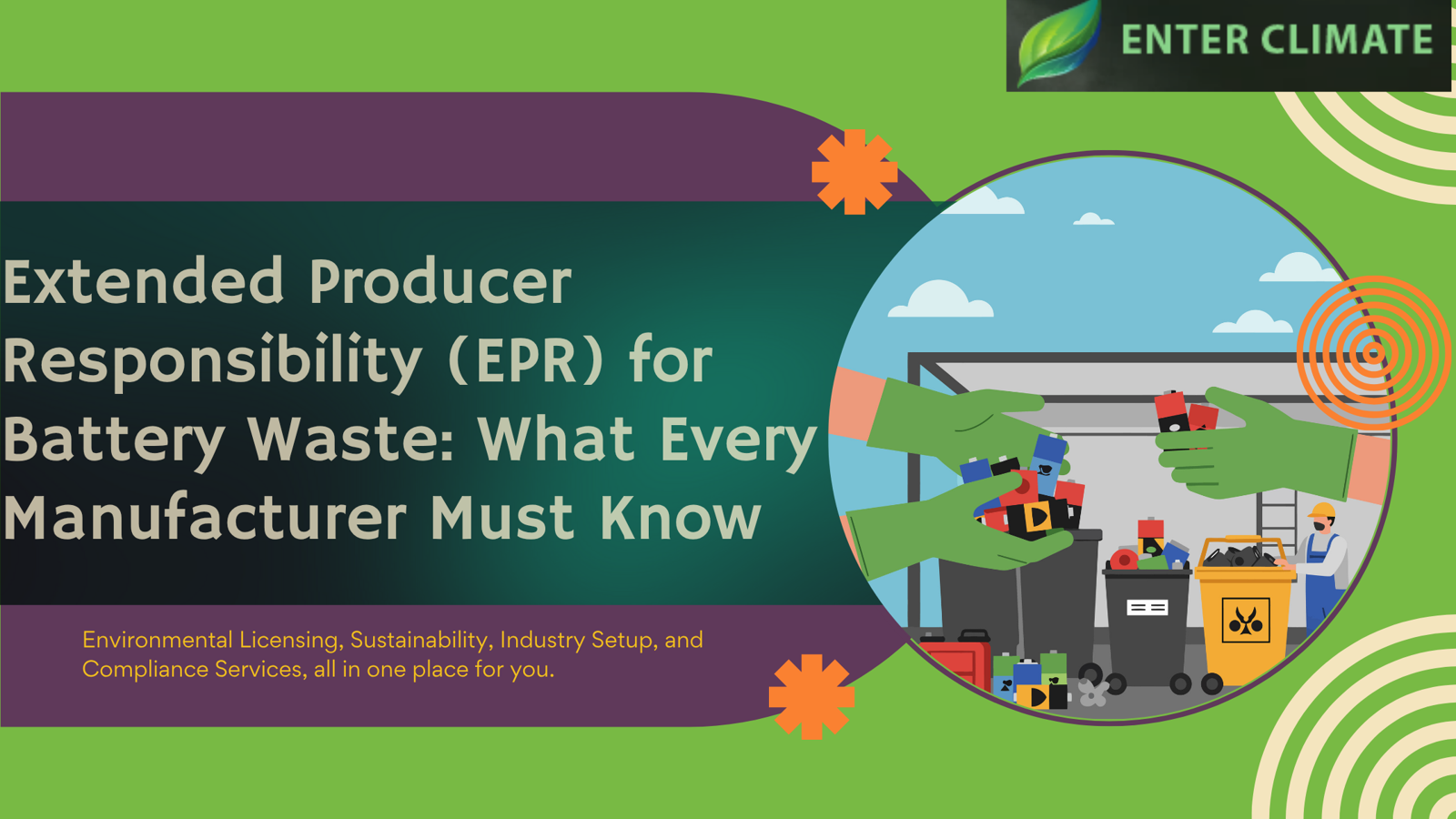
What are Battery EPR Credits?
Battery waste is growing rapidly because more people use electric vehicles, mobile phones, laptops, and other battery-powered devices.
To meet recycling targets, many businesses use Battery EPR Credits.
These credits are generated when authorized recyclers recycle eligible battery waste. Producers and importers can purchase these credits to meet their recycling obligations under India's Battery Waste Management Rules.
Battery EPR Credits make it easier for businesses to achieve compliance while encouraging professional recycling across the country.
Benefits of Following EPR Compliance
Following EPR offers many advantages.
Helps businesses follow Indian environmental laws
Reduces the risk of penalties
Improves brand reputation
Builds customer trust
Encourages responsible recycling
Supports long-term business growth
Protects the environment for future generations
Today, many customers prefer brands that care about sustainability and responsible waste management.
How Enterclimate Can Help
Understanding EPR rules can sometimes feel confusing because different products have different regulations.
Enterclimate helps businesses across India with complete EPR solutions, including:
EPR registration and documentation
EPR Certification support
Plastic waste compliance
Post compliance reporting
Battery EPR Credits assistance
Annual compliance guidance
Their experienced team works with manufacturers, importers, and brand owners to make the entire compliance process smooth and hassle-free.
Final Thoughts
EPR is more than a legal requirement. It is a commitment to keeping India clean and protecting our environment.
Businesses that follow EPR Compliance, obtain the required EPR Certification, complete post compliance for plastic waste management, and manage Battery EPR Credits responsibly not only meet government regulations but also contribute to a healthier future.
Responsible businesses create a better tomorrow—and every small step toward recycling makes a big difference.
Author Profile
Upendra Sharma is an Environmental Compliance Consultant with expertise in EPR regulations, waste management compliance, and sustainability solutions for businesses in India. He regularly writes about environmental laws, recycling, and compliance to help companies understand government regulations in simple language. Through his association with Enterclimate, he supports manufacturers, importers, and brand owners in achieving smooth and reliable environmental compliance.




Write a comment ...